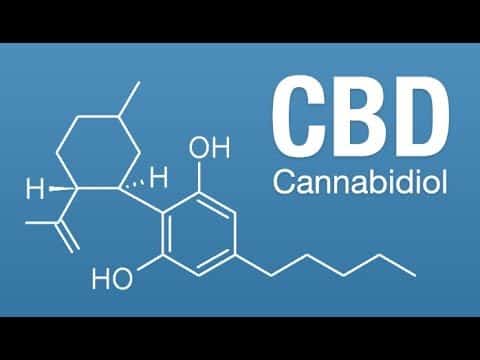
The cannabidiol industry has exploded in recent times, offering a wide array of products that promise multiple health benefits. As an increasing number of individuals turn to cannabidiol for alleviation from multiple ailments, it’s essential to understand what CBD is, how it works, and what choices are available. From oils and tinctures to edibles and suppositories, the choices can be overwhelming. This guide aims to guide you through this complex market, focusing on some of the uncommon applications of CBD, such as its use for dyspareunia and pelvic pain.
Many individuals are discovering the potential of CBD for treating specific health conditions. For https://www.futurity.org/cbd-facts-benefits-pain-anxiety-2247702/ , CBD suppositories are gaining attention as a way of delivering relief directly to targeted areas, offering a unique approach for conditions like pain in the pelvic area and dyspareunia. Furthermore, with ongoing discussions around pain management alternatives, contrasting CBD to opioids has become highly significant. Understanding these factors will enable consumers to make informed decisions as they explore the possibilities within the CBD marketplace.
Understanding CBD Suppository Forms
CBD suppository forms represent a novel administration approach that permits the absorption of CBD straight into the bloodstream. Unlike traditional forms of CBD, such as oils and edible products, suppositories are intended for inserted within the rectal area and vagina. Such method can provide more effective assimilation, bypassing one's GI tract to providing quicker outcomes. Many individuals consider this approach appealing, especially for those looking for targeted relief for specific areas of the anatomy.
One of the primary advantages of cannabidiol suppository forms includes their ability to alleviating issues such as painful intercourse. By immediately delivering CBD to the pelvic area, these products could assist alleviate pain as well as improve overall sexual wellness. This is particularly beneficial for individuals that have difficulty due to opioid and prefer and favor natural options for pain management.
Cannabidiol's inflammation-reducing characteristics can additionally prove to be beneficial to those experiencing discomfort in the pelvic area and tension. By utilizing https://cbd-oil-side-effects64951.bligblogging.com/41135425/from-industrial-hemp-leading-to-healing-the-tale-of-cbd , individuals may experience a decrease in inflammation as well as stress in their pelvic area, leading to enhanced comfort as well as quality of life. As more people explore these alternatives, it is crucial to understand the potential advantages and the ways in which these products compare with traditional treatments like opioids.
CBD for Dyspareunia Alleviation
Dyspareunia, also known as dyspareunia, can impact many individuals, leading to pain and reduced well-being. Cannabidiol has gained attention as a possible alternative treatment for easing discomfort associated with this condition. By engaging the body's endocannabinoid system, CBD may help lower inflammation and promote calm, potentially alleviating some of the discomfort experienced while intercourse.
Many individuals claim that using cannabidiol insertables offers focused alleviation due to their localized use to the area. This approach enables effective uptake and faster relief compared to other forms of cannabidiol. The localized application can assist individuals feel more at ease and secure, aiding in enhancing closeness and overall sexual health.
Additionally, CBD's potential to encourage calmness and reduce anxiety could benefit to addressing the mental aspects of painful intercourse. By alleviating tension and improving well-being, users may discover it simpler to participate in intimate experiences without the concern of discomfort. As research continues, more people are exploring how CBD might play a role in enhancing their sexual wellness and reducing discomfort.
Cannabidiol for Pelvic Wellness
The utilization of CBD for pelvic health has garnered attention as an increasing number of individuals look for holistic alternatives for addressing discomfort in this delicate area. Women, in particular, may suffer from pelvic discomfort due to multiple factors, including menstrual cycles, pregnancy, or conditions like endometriosis. Using cannabidiol can potentially offer relief from inflammation and muscle tension, leading to a more pleasant experience during daily activities.
Cannabidiol suppositories are one approach that is gaining popularity in this space. They offer a prompt route to administer CBD to the pelvic area, allowing for focused relief where it is most necessary . Numerous users report a reduction in discomfort and discomfort during intimate moments, making cannabidiol a viable option for those dealing with dyspareunia, which refers to discomfort during intercourse. The localized application aims to enhance efficacy while minimizing systemic side effects often associated with other analgesic methods.
Furthermore, cannabidiol presents a possible alternative to opioids for treating pelvic pain. With the increasing concerns about dependency on opioids and side effects, a growing number of people are exploring cannabis-derived solutions. By contrasting CBD to narcotics, it is important to recognize that CBD offers a non-intoxicating solution that may ease pain and improve overall pelvic wellness without the risks associated with prescription narcotics. Thus, as studies continues, CBD holds promise as a safe and effective option for improving quality of life in those experiencing pelvic pain.
Cannabidiol vs. Opioids: An Comparative Overview
The increasing interest in CBD as a treatment option has ignited discussions about its potential merits over traditional narcotics, particularly for discomfort management. Narcotics, while useful for intense pain relief, come with significant risks including addiction, tolerance, and a range of adverse effects. In comparison, cannabidiol, derived from the cannabis plant, is being studied for its pain-relieving properties and presenting a more advantageous safety profile. Contrary to opioids, CBD is not addictive and does not cause the same degree of euphoria, which makes it an appealing alternative for those seeking relief without the concerns associated with opioid medications.
In the context of conditions like dyspareunia and pelvic pain, cannabidiol suppositories have gained focus for their localized relief. These methods of delivery may enable localized effects and could theoretically reduce whole-body side effects compared to opioids. Individuals have observed divergent degrees of success with cannabidiol for reducing pain in these regions, although research is still necessary to completely grasp its efficacy and mechanisms. This emphasis on targeted treatment opens new opportunities for those looking for substitutes to narcotics for discomfort management in sensitive areas.
Nevertheless, it is essential to acknowledge that while cannabidiol presents a hopeful choice, it is not a generic answer. The success of cannabidiol varies among individuals, and some may regard opioids more suitable for their specific pain conditions. Therefore, anyone considering CBD as a substitute for opioids should speak with a medical provider to confirm a safe and knowledgeable method to their discomfort strategy. Balancing efficacy, safety, and individual requirements is vital as the CBD industry continues to develop.